
The Role of Preventive Dental Care in Long-Term Oral Health
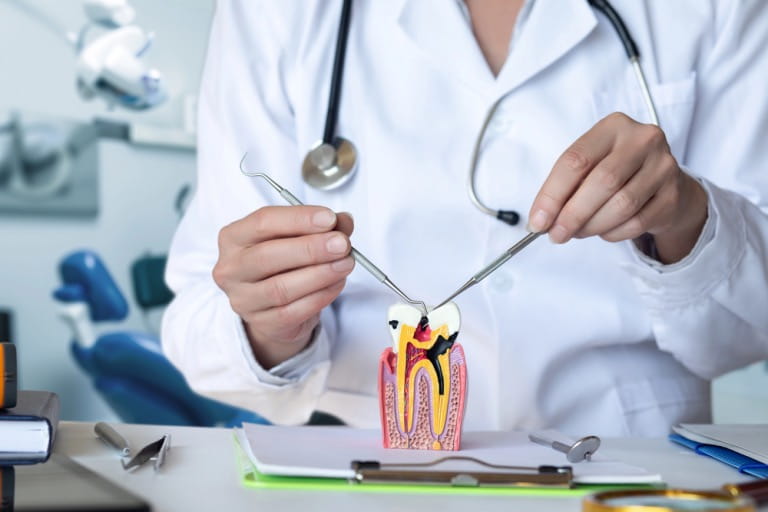
Preventive dentistry focuses on maintaining oral health and reducing the risk of problems before they develop into something more serious. Rather than waiting for pain or visible damage, a preventive approach aims to keep teeth and gums healthy through regular monitoring, professional cleaning and patient education over the course of a lifetime. For many people, it is also the most predictable way to manage dental care.
What preventive care involves
Preventive dental care typically includes routine examinations, professional scale and clean appointments, and assessments of decay and gum disease risk. It may also involve fissure sealants, fluoride applications, and advice tailored to a person’s diet, brushing technique and overall health. The aim is to identify minor issues early, when they are generally easier and less costly to manage than problems that have been left to progress. A check-up is also an opportunity to ask questions and review any changes you have noticed.
Why early detection matters
Many oral health conditions develop gradually and without obvious symptoms in their early stages. Tooth decay, gum disease and changes in soft tissue can progress quietly over months or years. Regular check-ups give a dental team the opportunity to notice these changes and discuss appropriate options sooner, rather than after discomfort has already set in. healthdirect provides general guidance on dental check-ups for anyone wanting an overview of what routine visits involve.
The link between oral and general health
Oral health does not exist in isolation. Researchers have explored connections between gum health and broader wellbeing, and certain conditions — such as diabetes or pregnancy — can influence oral health and be influenced by it in turn. Some medications can also affect the mouth, for example by reducing saliva flow. Sharing your full medical history with your dental team helps them provide care that takes these factors into account and tailor their advice accordingly.
Preventive care across life stages
The focus of preventive dentistry shifts over time. For children, it centres on establishing good habits, protecting developing teeth and monitoring growth. For teenagers, it may include guidance around orthodontic considerations and mouthguards for sport. For adults and older patients, attention often turns to maintaining existing dental work, managing gum health and addressing concerns such as dry mouth. A local practice that offers preventive services — for example, a dentist in Sandgate — can support patients through each of these stages.
Practical steps between appointments
Much of preventive care happens at home. Brushing twice daily with fluoride toothpaste, cleaning between teeth, and being mindful of sugary foods and drinks all contribute to long-term oral health. Drinking water, limiting acidic beverages and avoiding tobacco also play a part. Your dental team can provide guidance suited to your individual circumstances rather than generic advice, which makes home care more effective. Small, consistent habits tend to have a greater impact over time than occasional intensive effort.
Making preventive care a habit
The value of preventive dentistry comes from consistency. Attending regular appointments, following through on recommended care, and raising concerns early all help maintain oral health over time. While the right check-up interval varies between individuals, keeping to a schedule agreed with your dentist is a practical way to stay on track and avoid surprises. Booking your next visit before leaving the clinic can make the routine easier to maintain.
Conclusion
Preventive dental care is a long-term investment in oral health. By prioritising routine examinations, professional cleaning and good daily habits, patients can reduce the likelihood of more complex treatment and keep their teeth and gums healthier for longer. Speaking with a local dental practice is a sensible starting point for anyone wanting to build a preventive routine that lasts.